The Gentoo Penguin (Pygoscelis papua) was first scientifically described in 1781 by German naturalist Johann Reinhold Forster.
245 years later, in 2026, new research has revealed compelling evidence that what was long considered a single species of gentoo penguin – with two subspecies described along the way – actually comprises four distinct species.
It's this fascinating discovery that inspired me to revisit my photographs of gentoo penguins from my travels in 2010 to the Islas Malvinas/Falkland Islands, South Georgia and the Antarctic Peninsula – and rediscover my encounters with two of the four species identified in the new research.
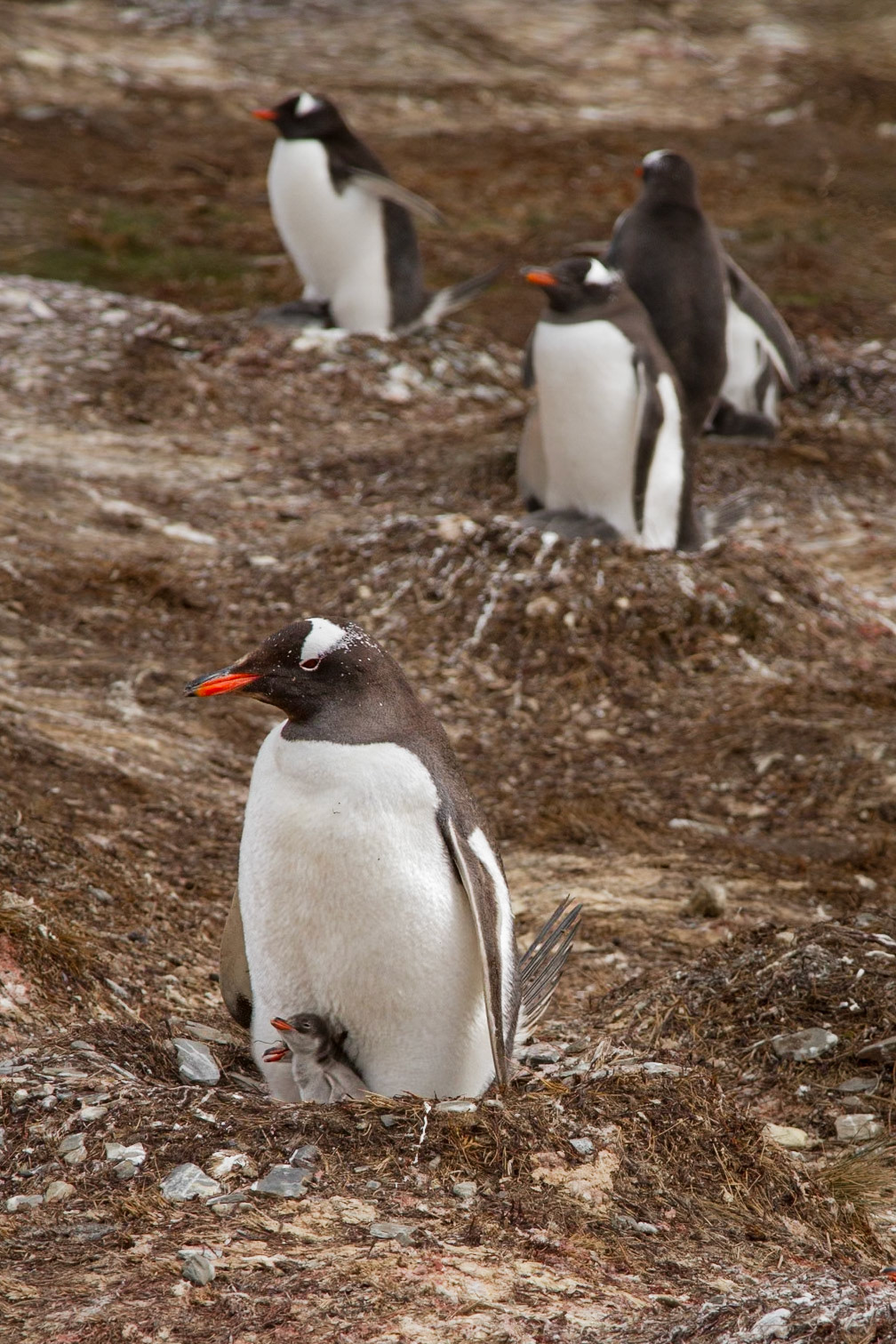
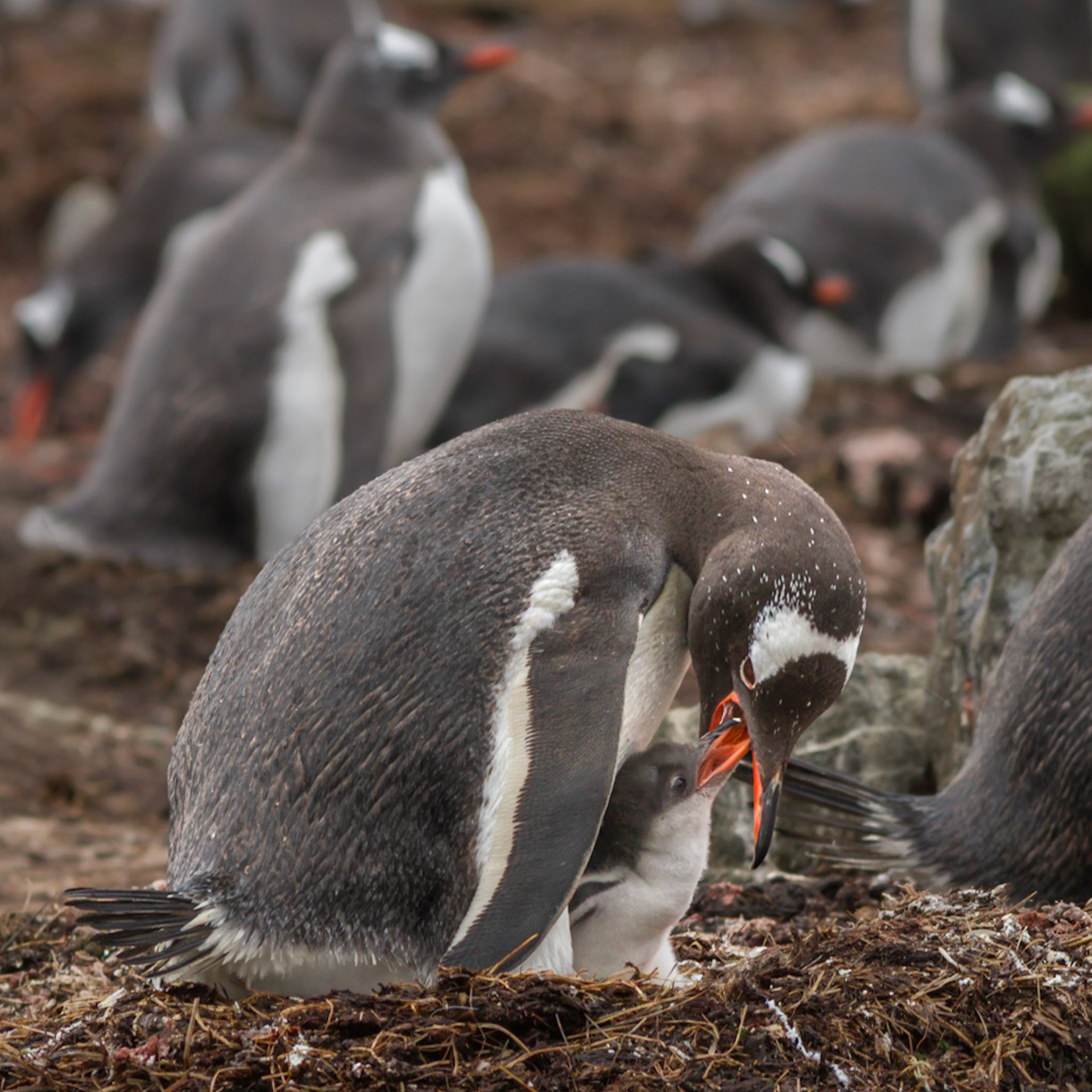
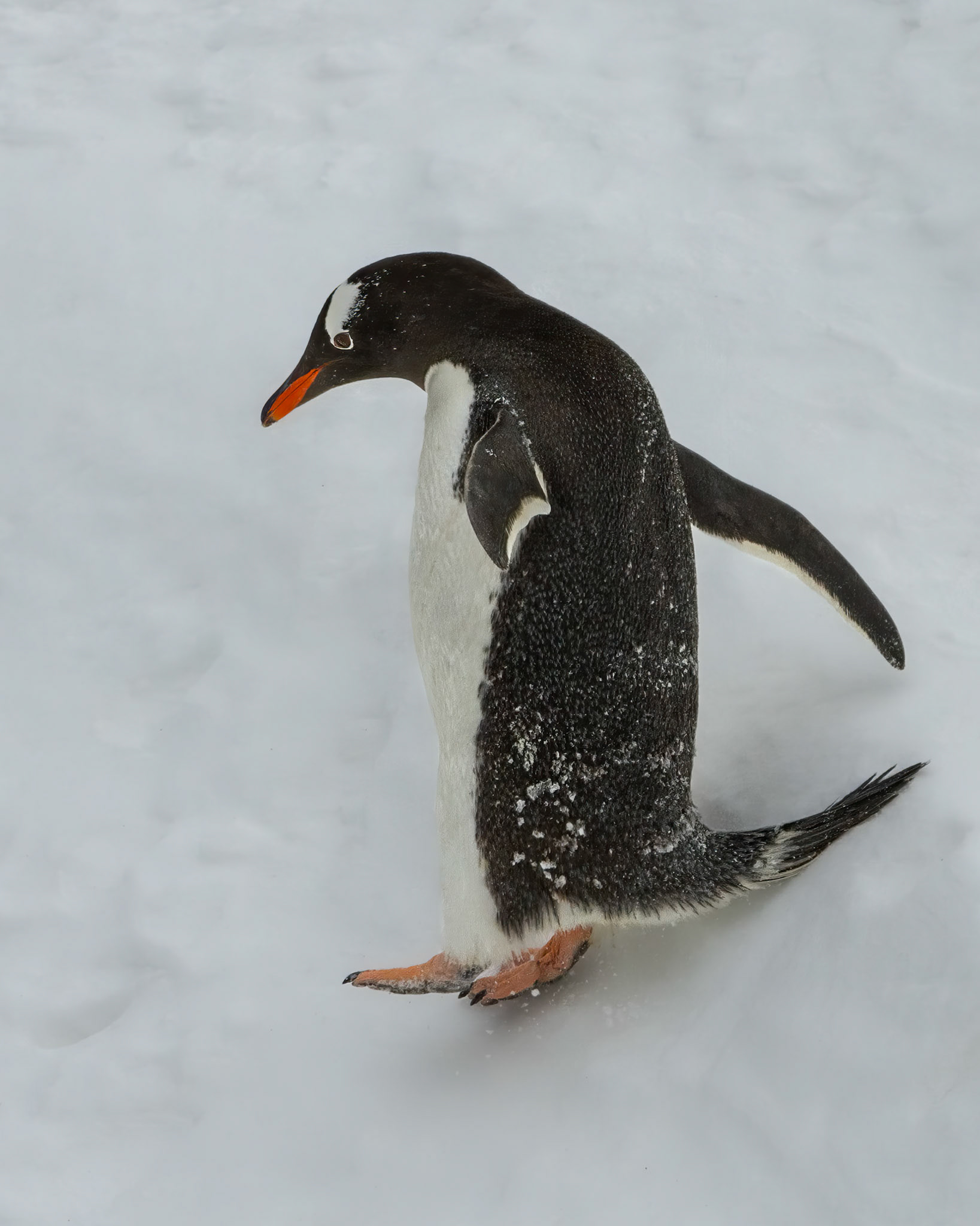
In the Islas Malvinas/Falkland Islands, I encountered the Northern Gentoo Penguin (Pygoscelis papua), while those I photographed on South Georgia and the Antarctic Peninsula belong to the Southern Gentoo Penguin (Pygoscelis ellsworthi). Once classified as a subspecies of Pygoscelis papua, the southern gentoo is now proposed as a distinct species under the new research.
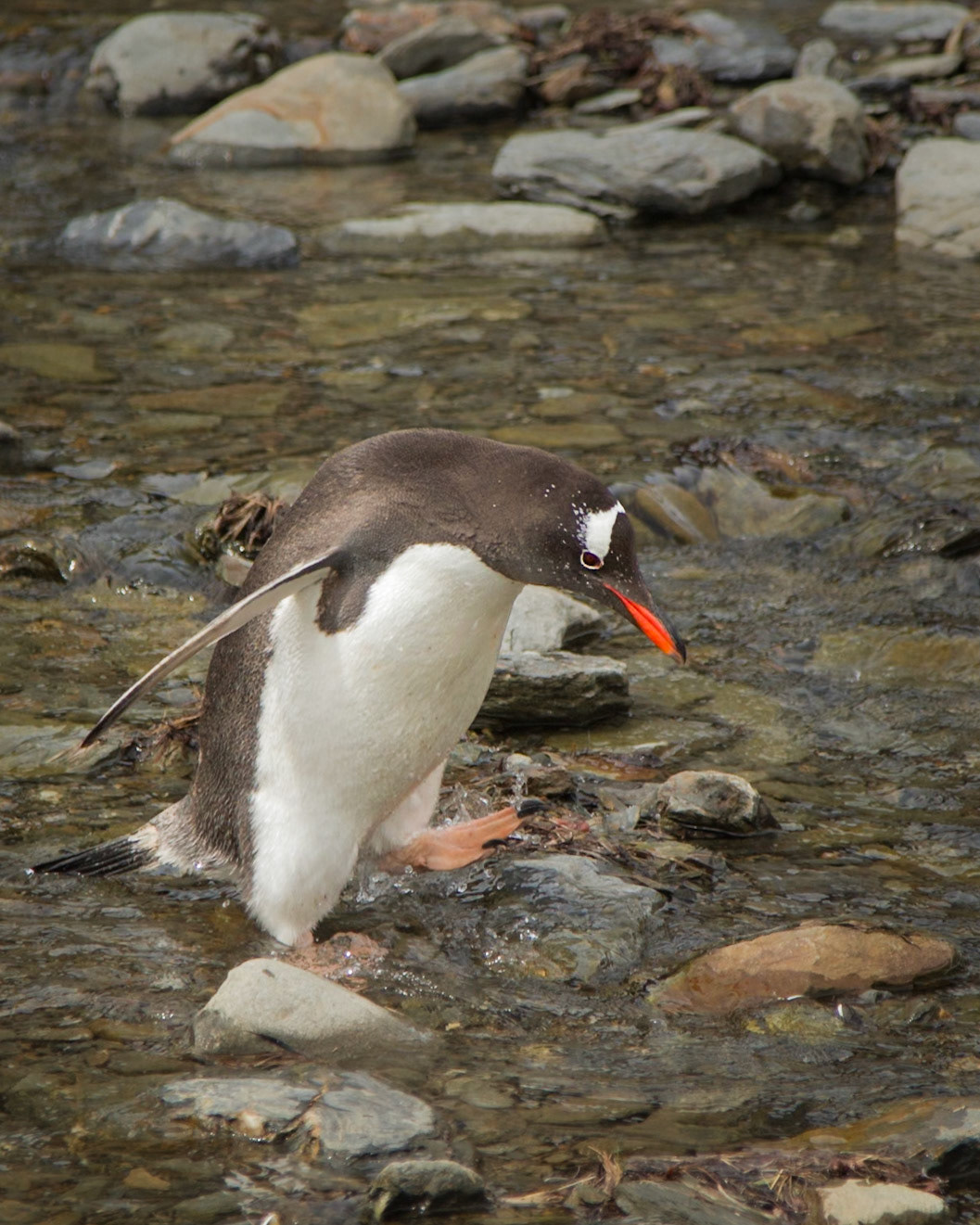
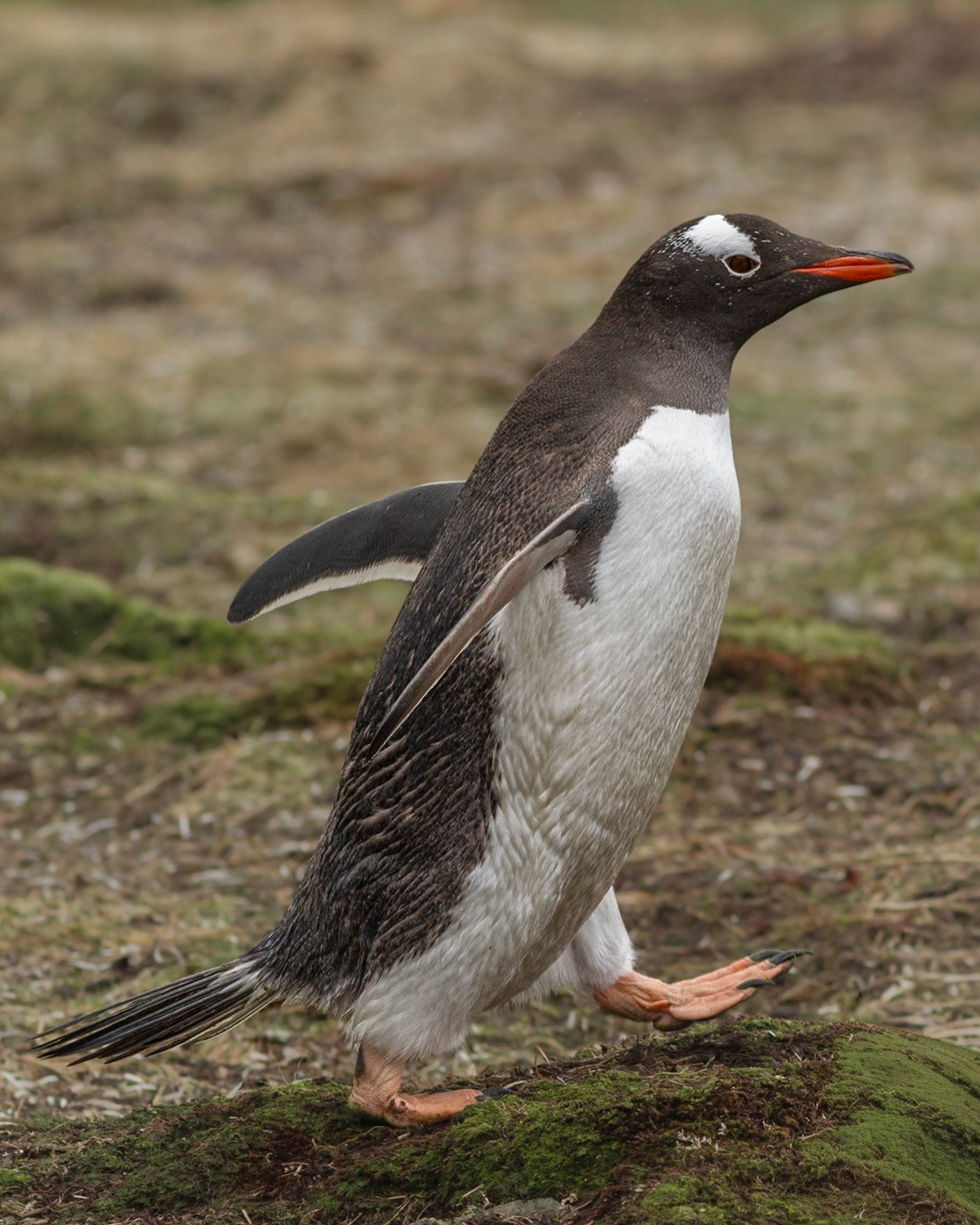
Looking back through my photos, I'm reminded just how much I enjoyed spending time observing these delightful waddlers in their natural habitat. From bustling colonies and quiet moments between individuals to the comings and goings along the shoreline, there was always something happening – and invariably something that caught my eye and camera towards it.
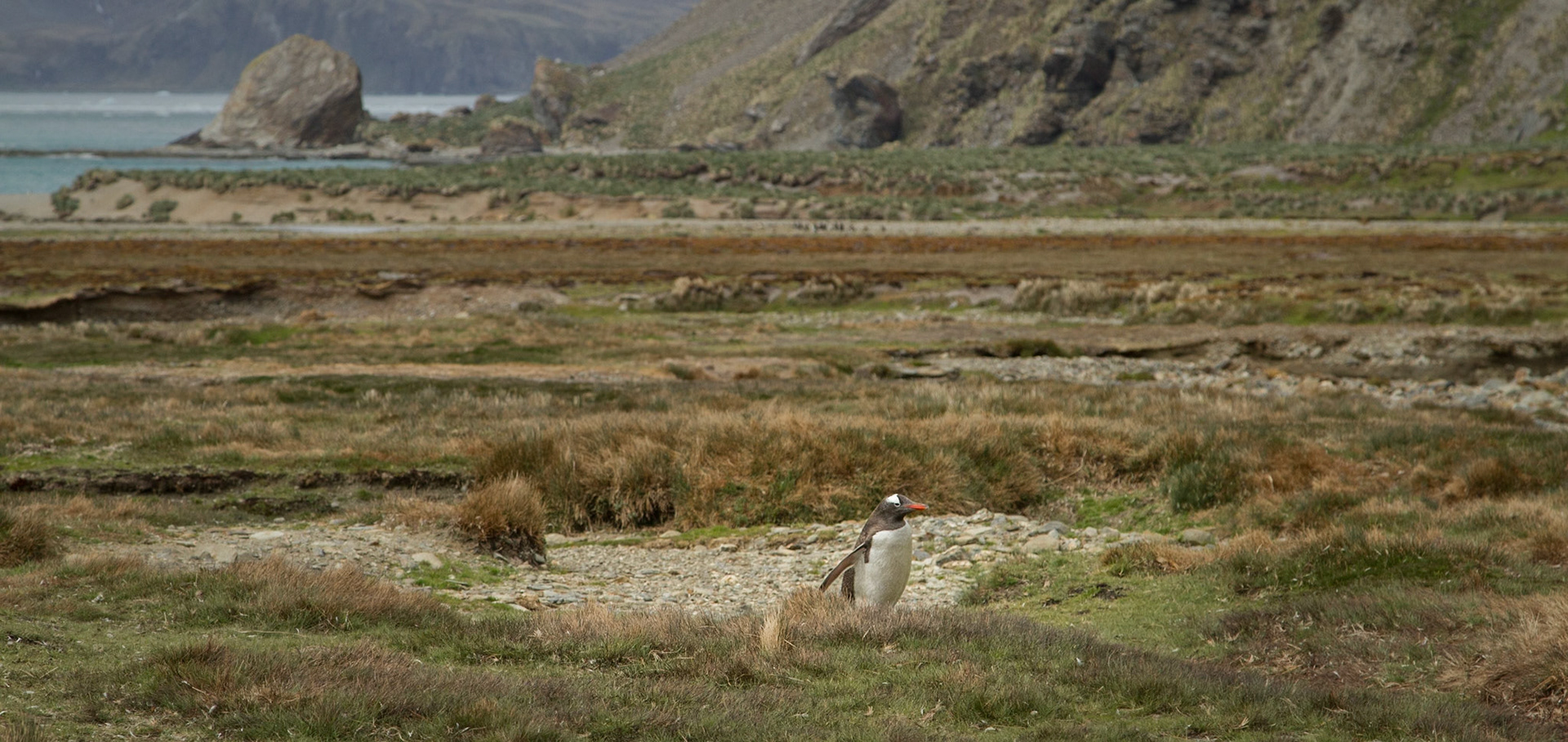
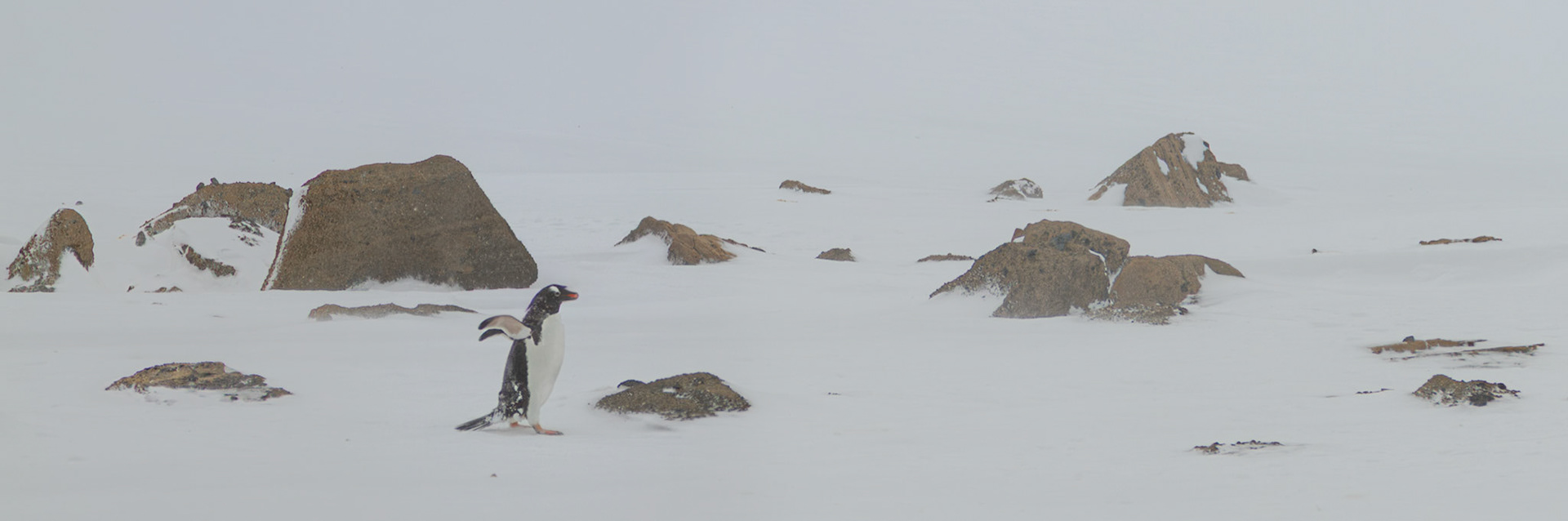
One of the things I find particularly fascinating is the variety of environments in which gentoo penguins live. During my travels, I encountered them among the grassy coastal landscapes of the Falklands, on the rugged shores of South Georgia and against the snow and ice of the Antarctic Peninsula. Quite different surroundings, yet all home to these remarkably adaptable birds.
And while the recent research has given me a new appreciation of the differences between gentoo populations, it's their behaviour and character that I remember most.
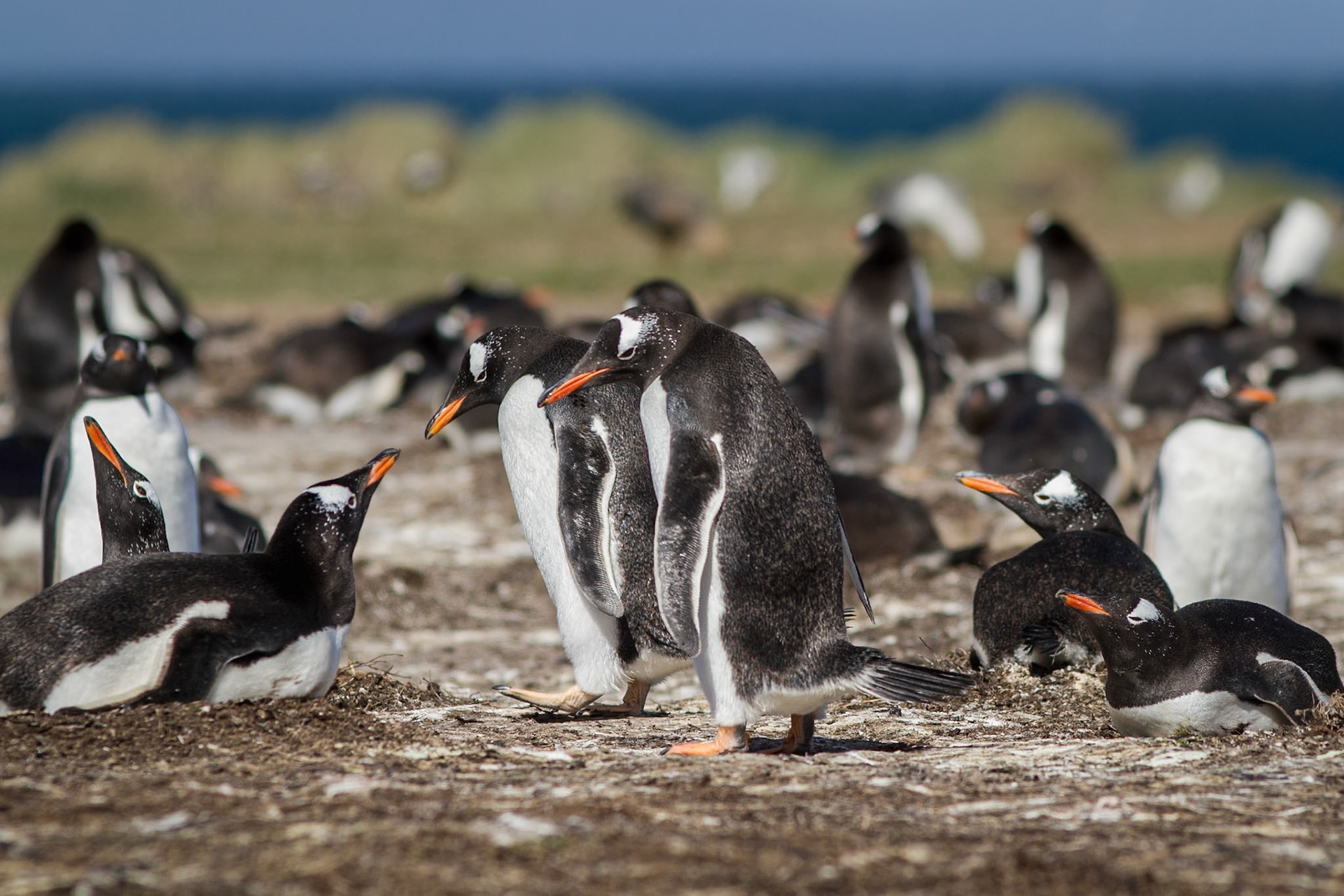
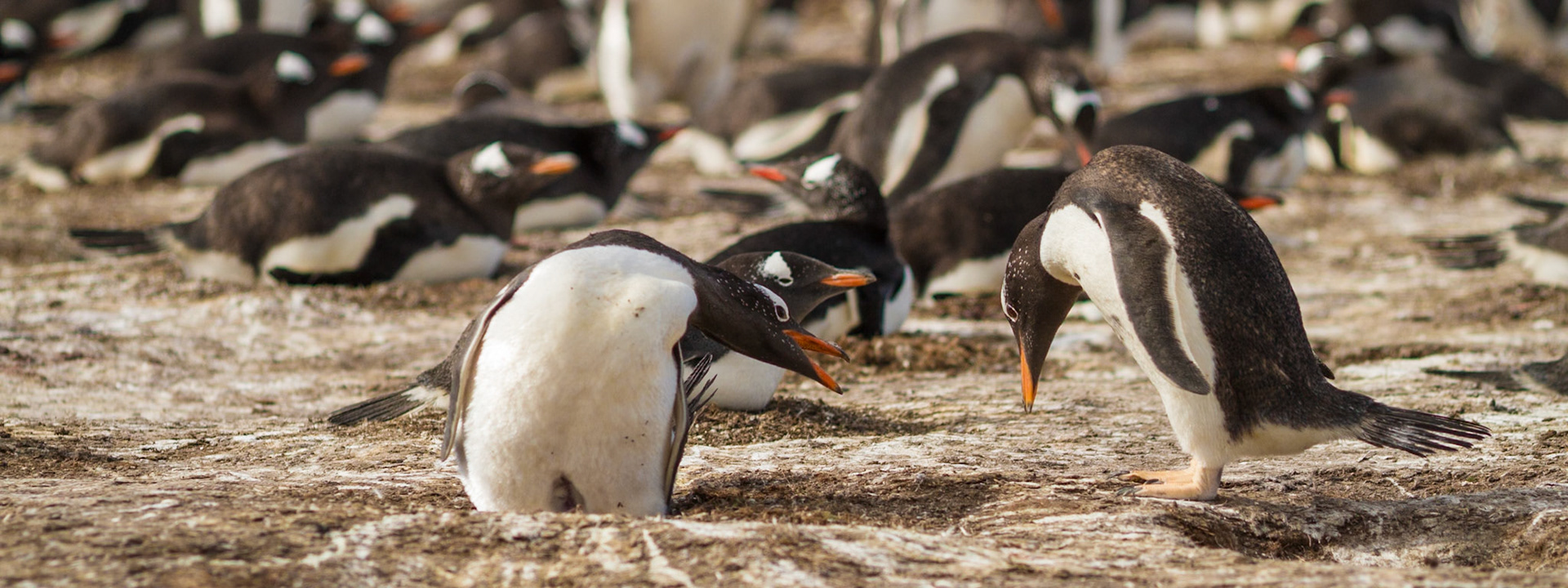
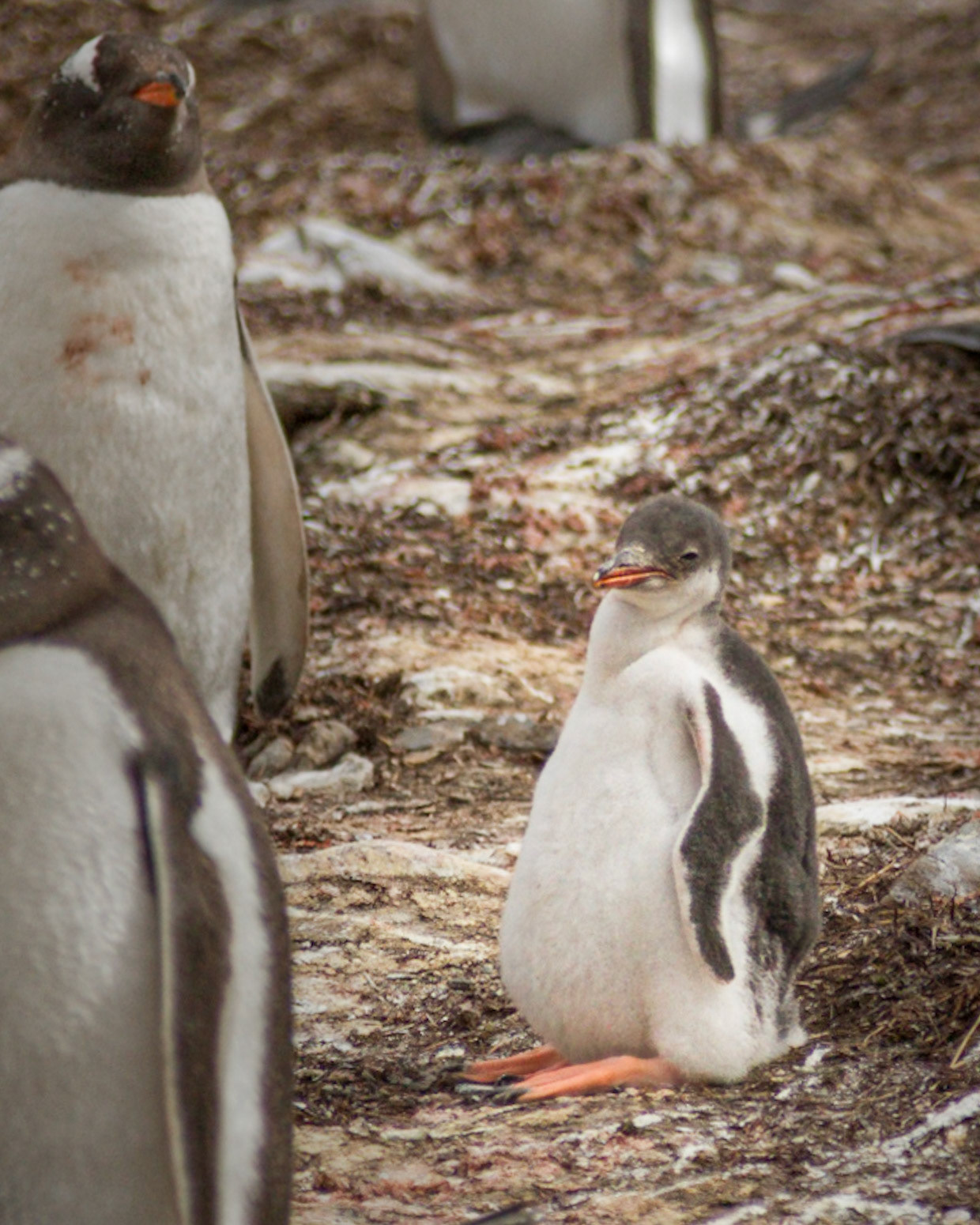
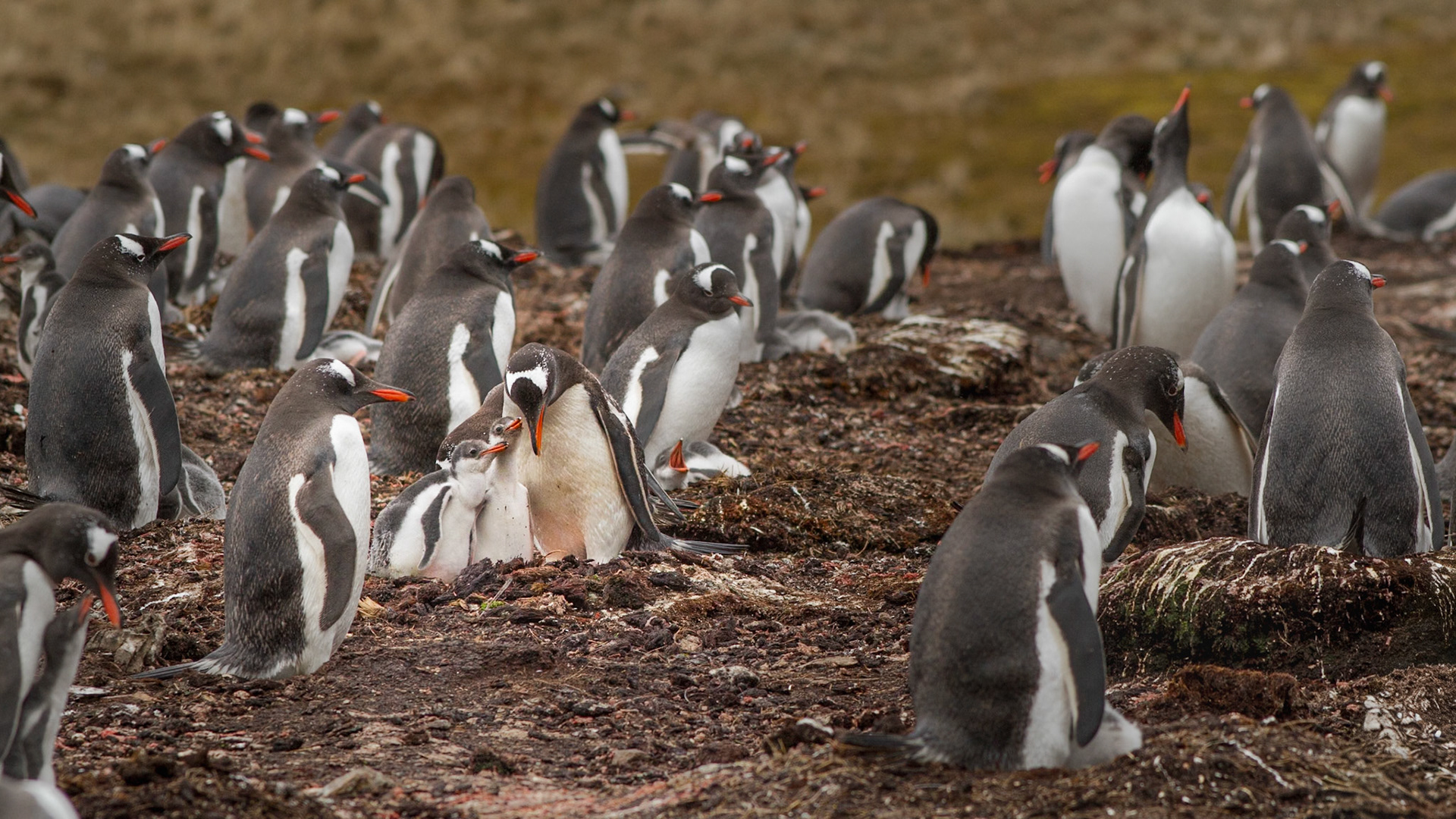
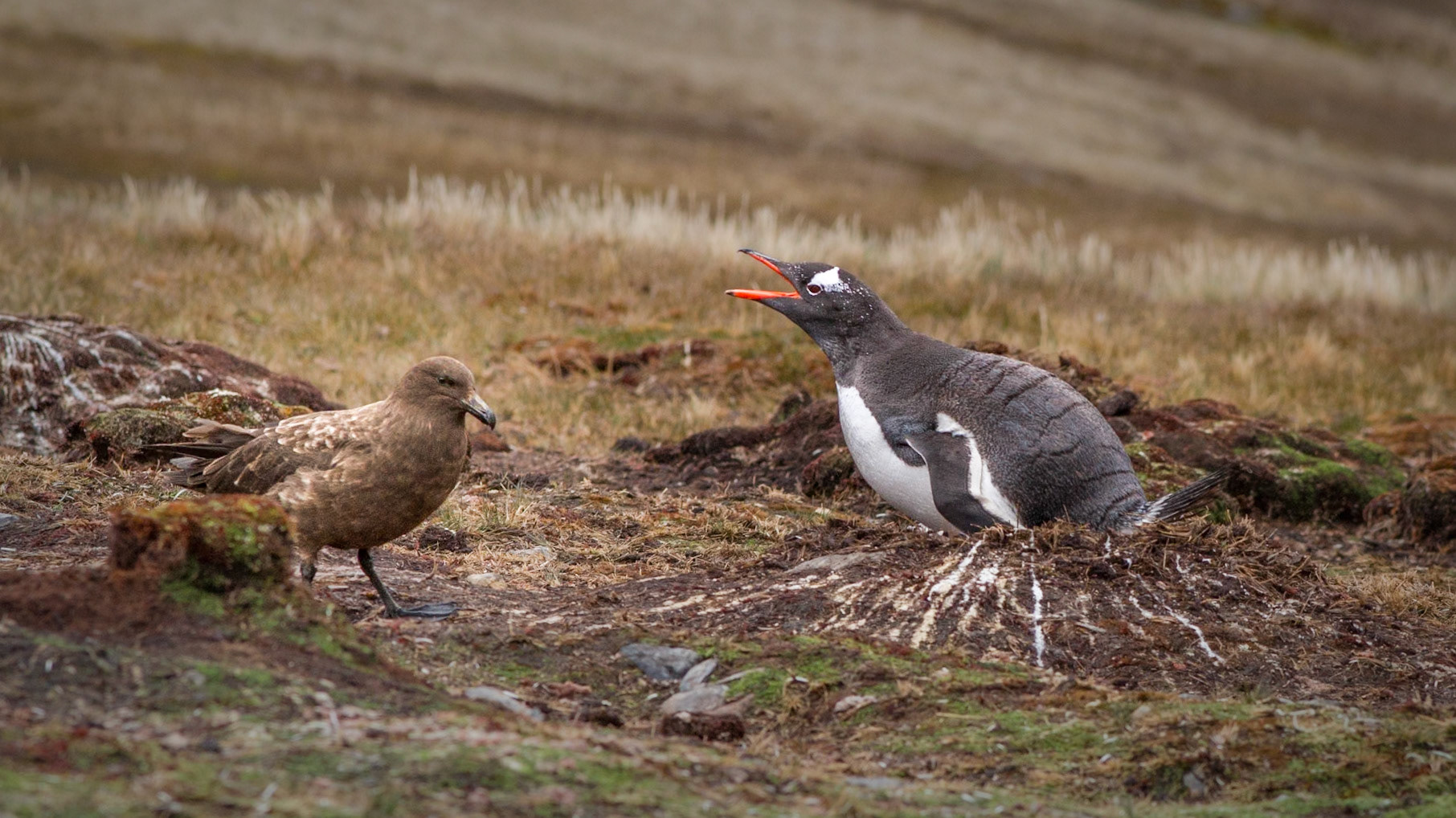
There were moments of apparent affection, plenty of activity around nesting sites and some rather entertaining interactions between neighbours. Of course, life in a penguin colony isn't always peaceful. Raising young brings challenges, as do predators such as skuas that are never far from the action.
Watching these birds going about their daily lives was a wonderful reminder that there's so much more to wildlife photography than capturing a portrait. Sometimes the most interesting photographic opportunities come from looking beyond the individual, scanning the scene for activity, interactions and those little moments that might otherwise go unnoticed.
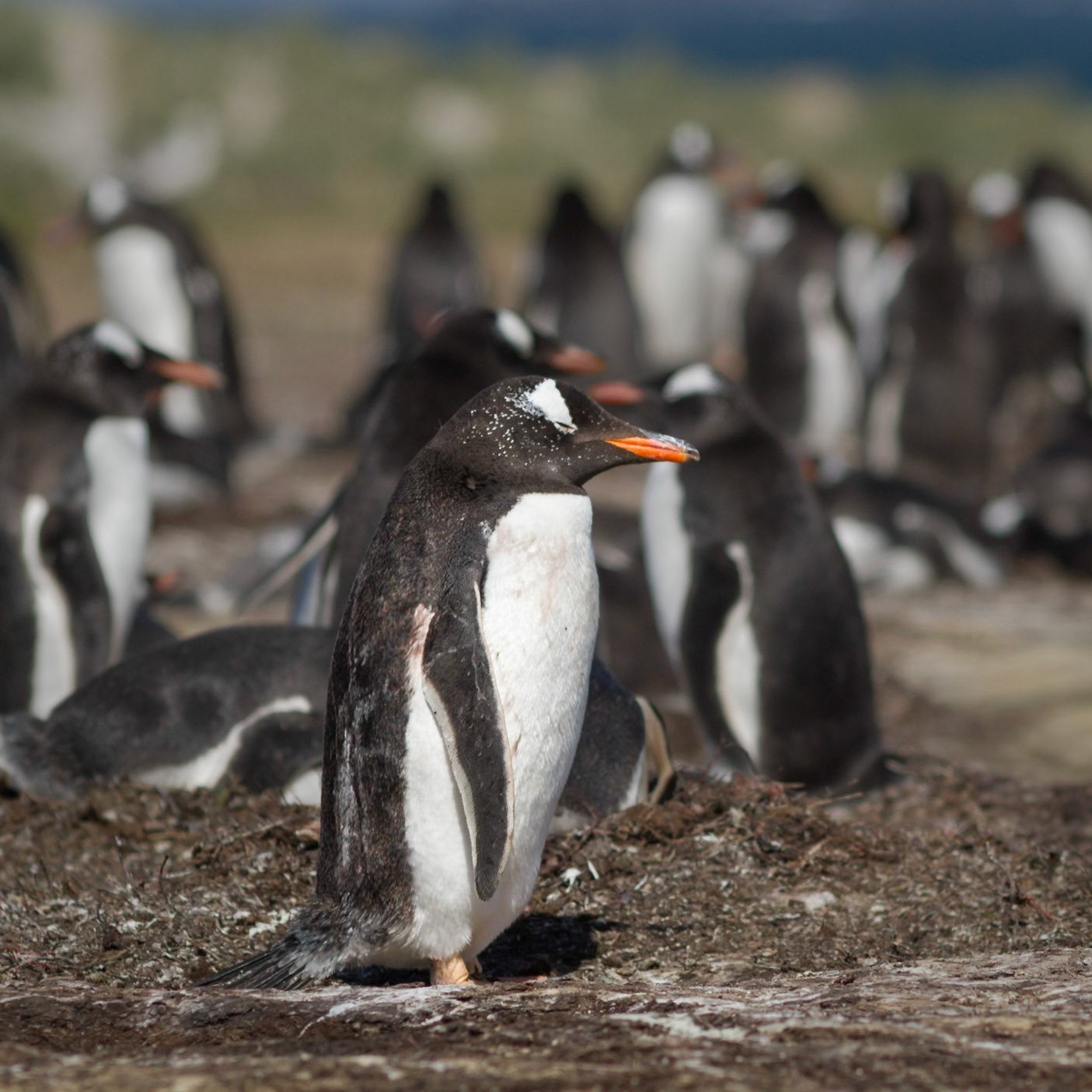
Islas Malvinas/Falkland Islands – Carcass Island
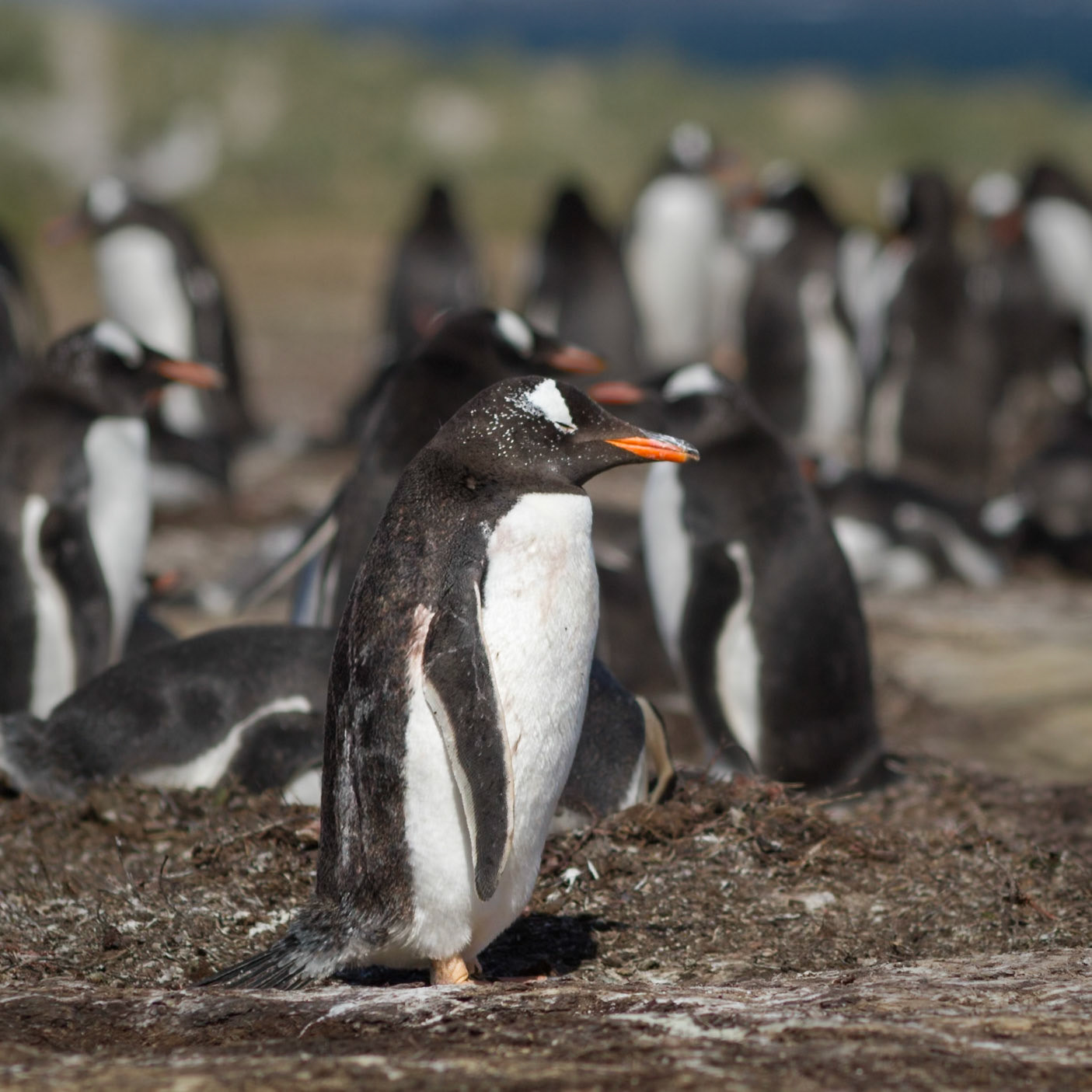
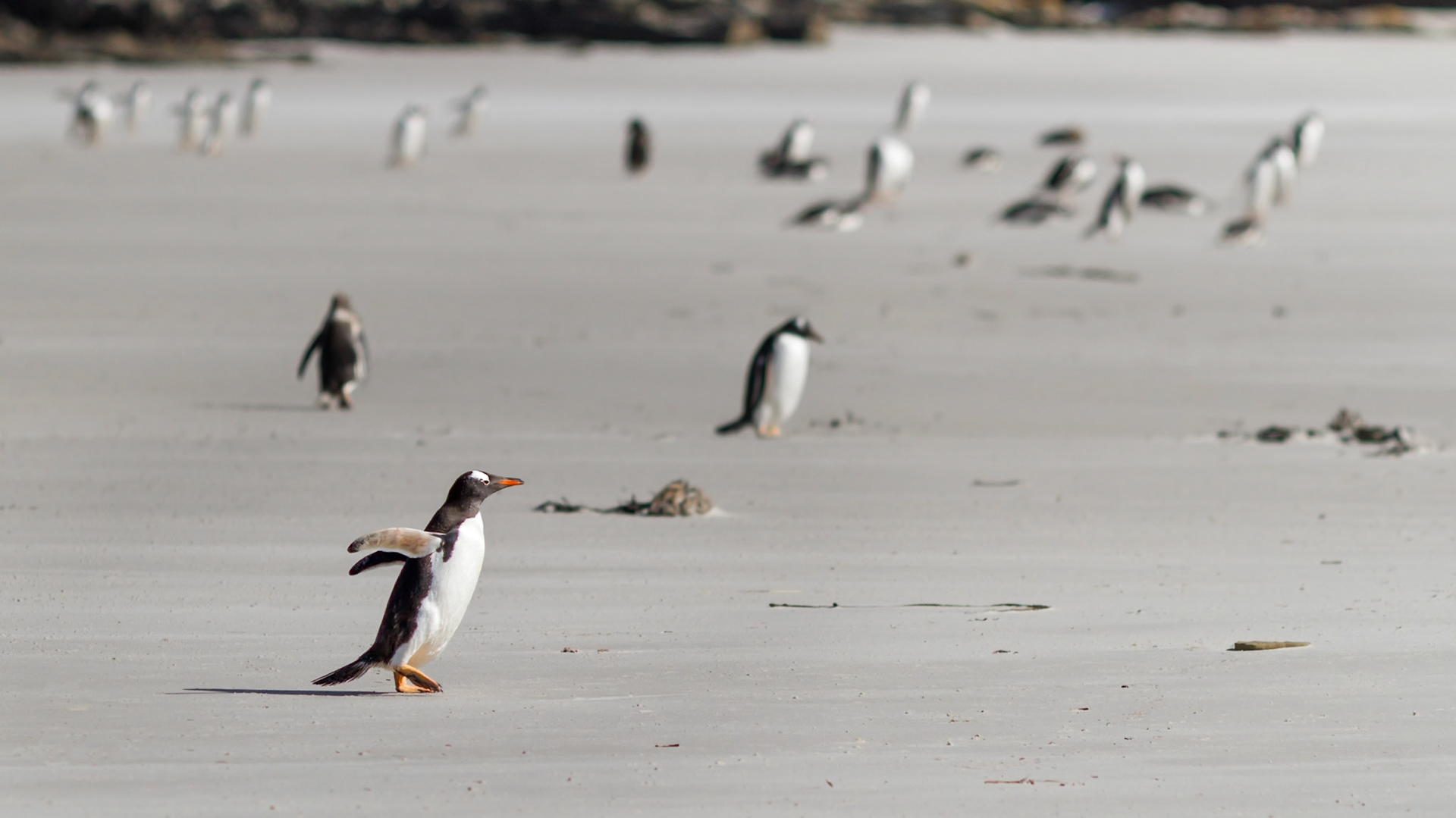
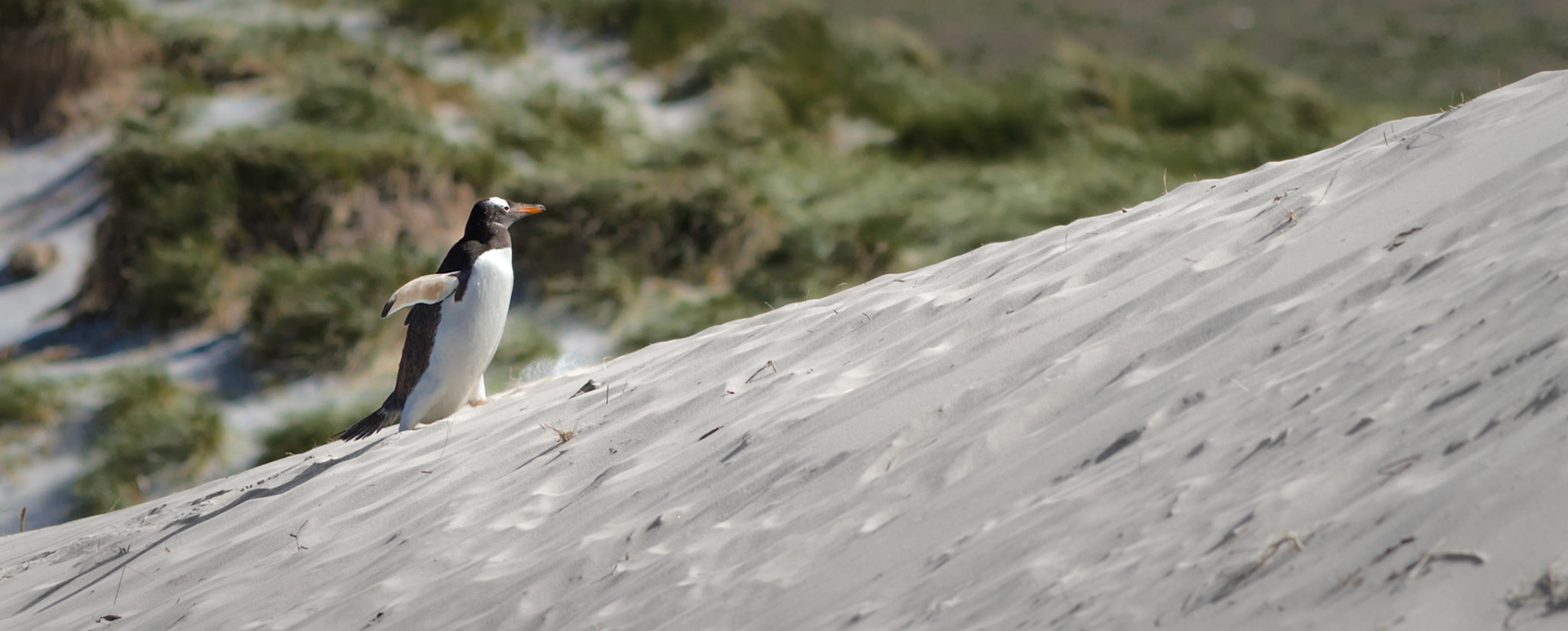
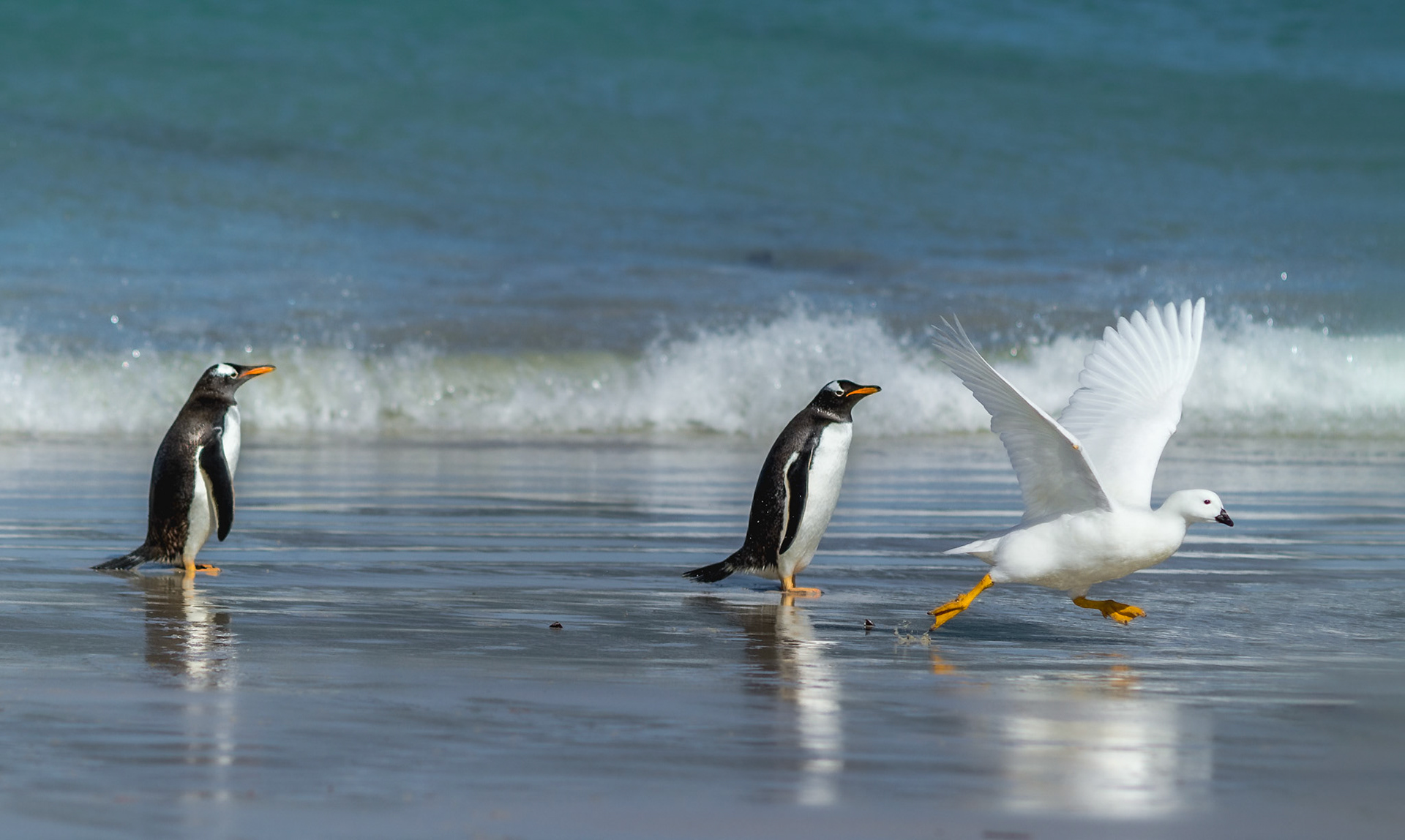
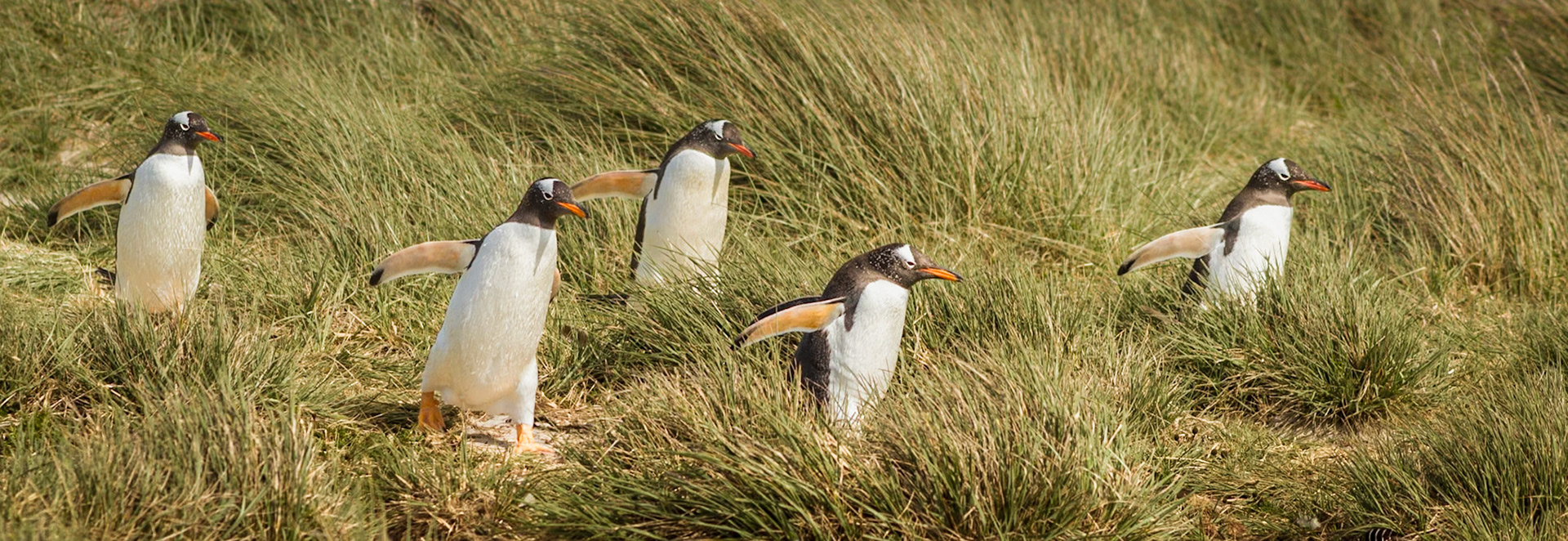
First in this collection are the Northern Gentoo Penguins that I photographed at Leopard Beach on Carcass Island, in the Islas Malvinas/Falkland Islands.
Here, the gentoos make their homes amongst sandy beaches, coastal grasses and open landscapes. From bustling breeding colonies to birds wandering between the dunes and shoreline, there was plenty to observe and photograph.
Of course, the gentoos weren't the only birds enjoying the coastline. One particularly enthusiastic visitor – a Kelp Goose – made a rather spectacular dash through the scene, while the gentoos appeared considerably less impressed than I was!
South Georgia – Moltke Harbour and Godthul
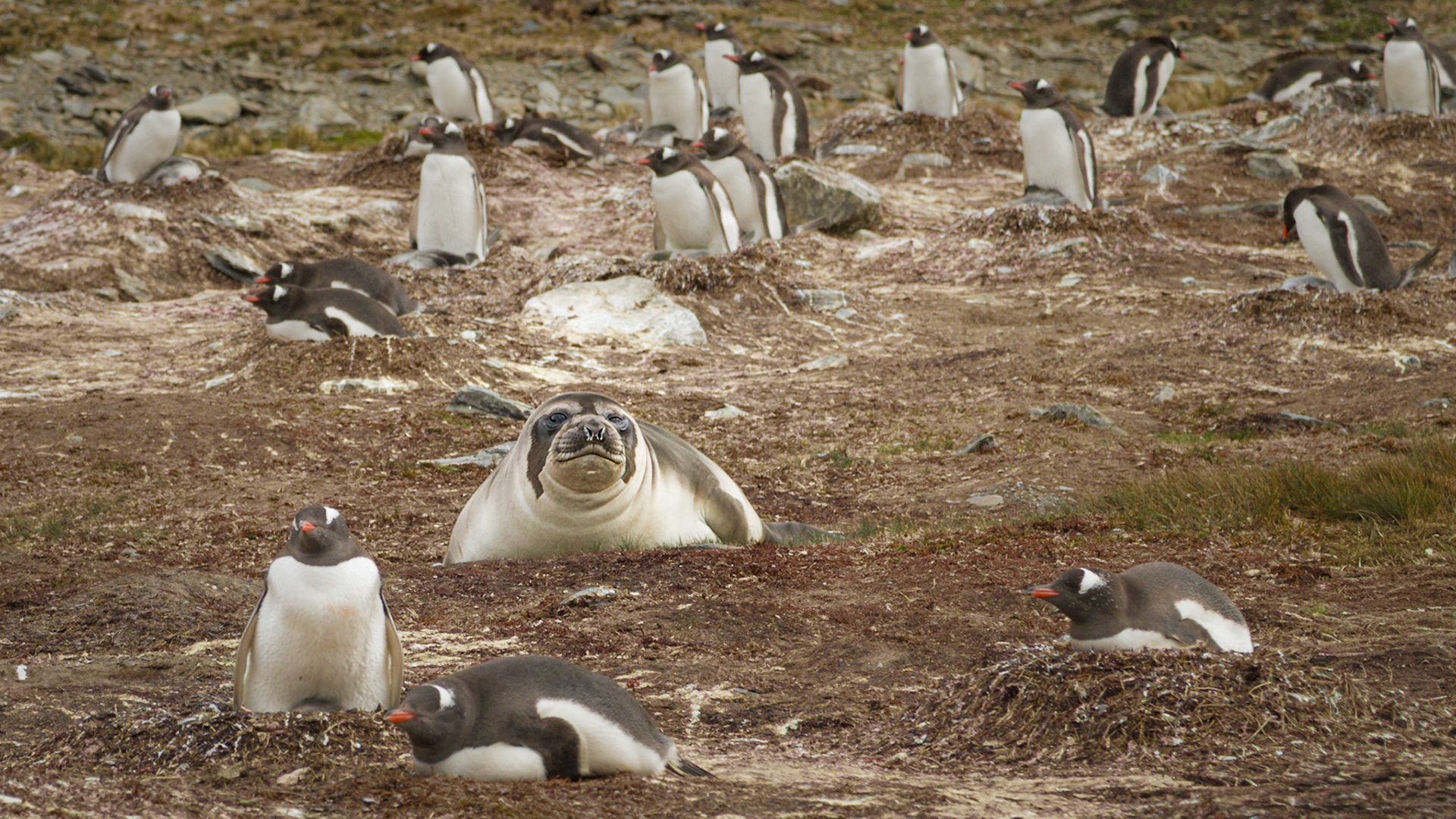
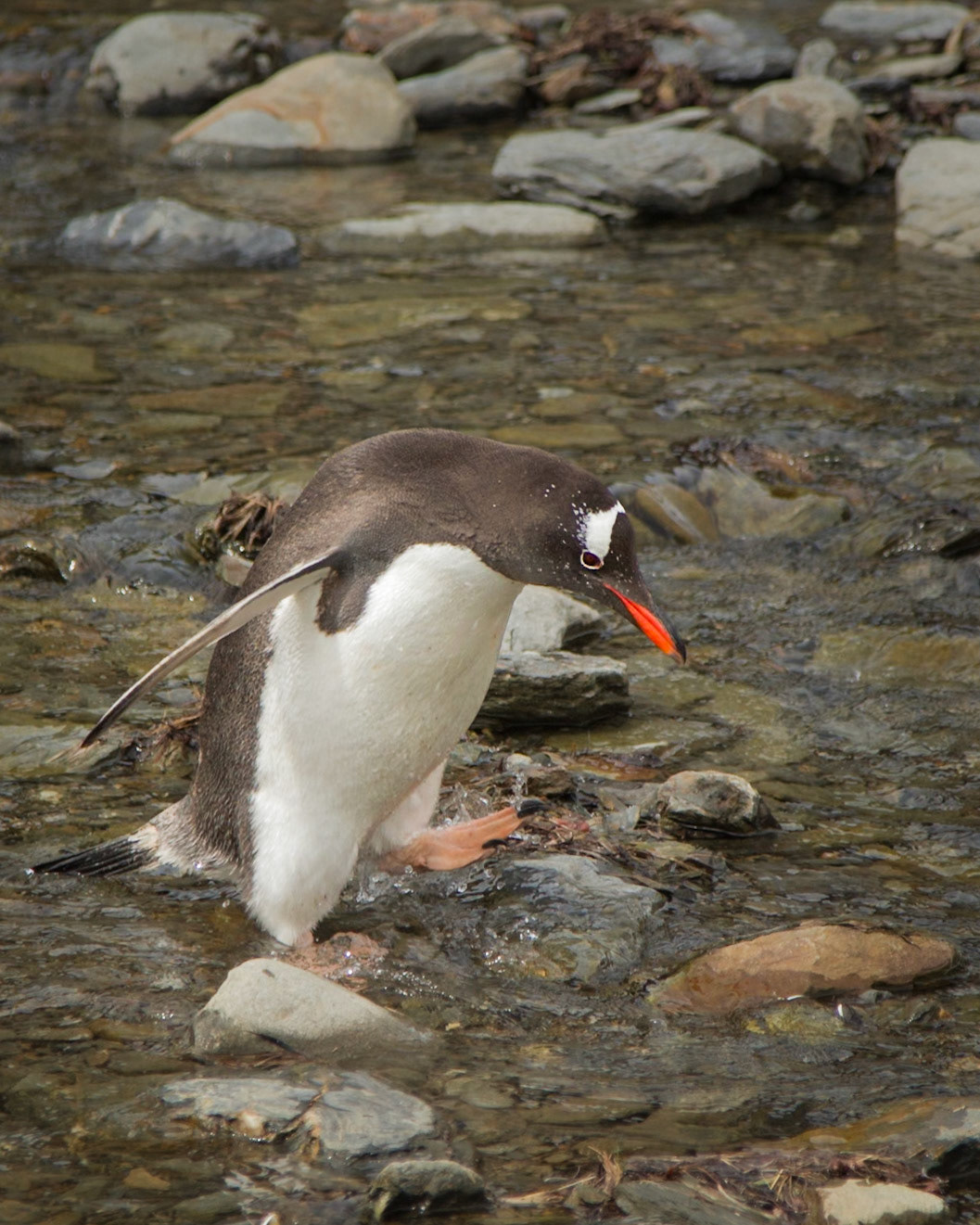
Further south on South Georgia, I encountered Southern Gentoo Penguins at Moltke Harbour and Godthul.
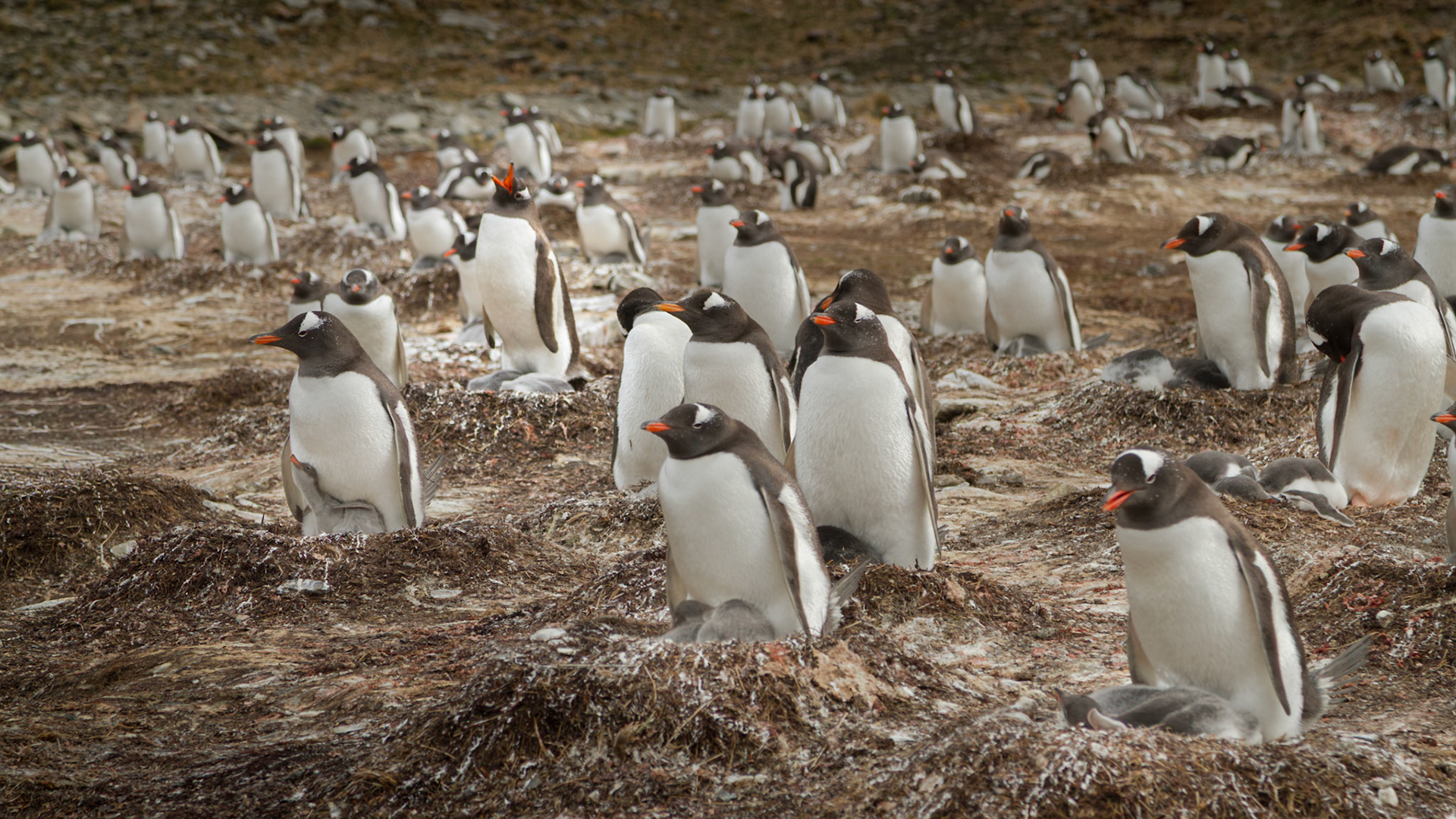
Here, I spent time observing nesting colonies amongst rocky and grassy coastal landscapes, watching gentoos tending their nests, feeding youngsters and negotiating life amongst their neighbours.
And what neighbours they had! Elephant seals shared the colony grounds, while skuas were never far away – a reminder that these busy breeding sites are part of a much larger community of wildlife.
There was certainly no shortage of activity to keep my eyes and shutter finger occupied.
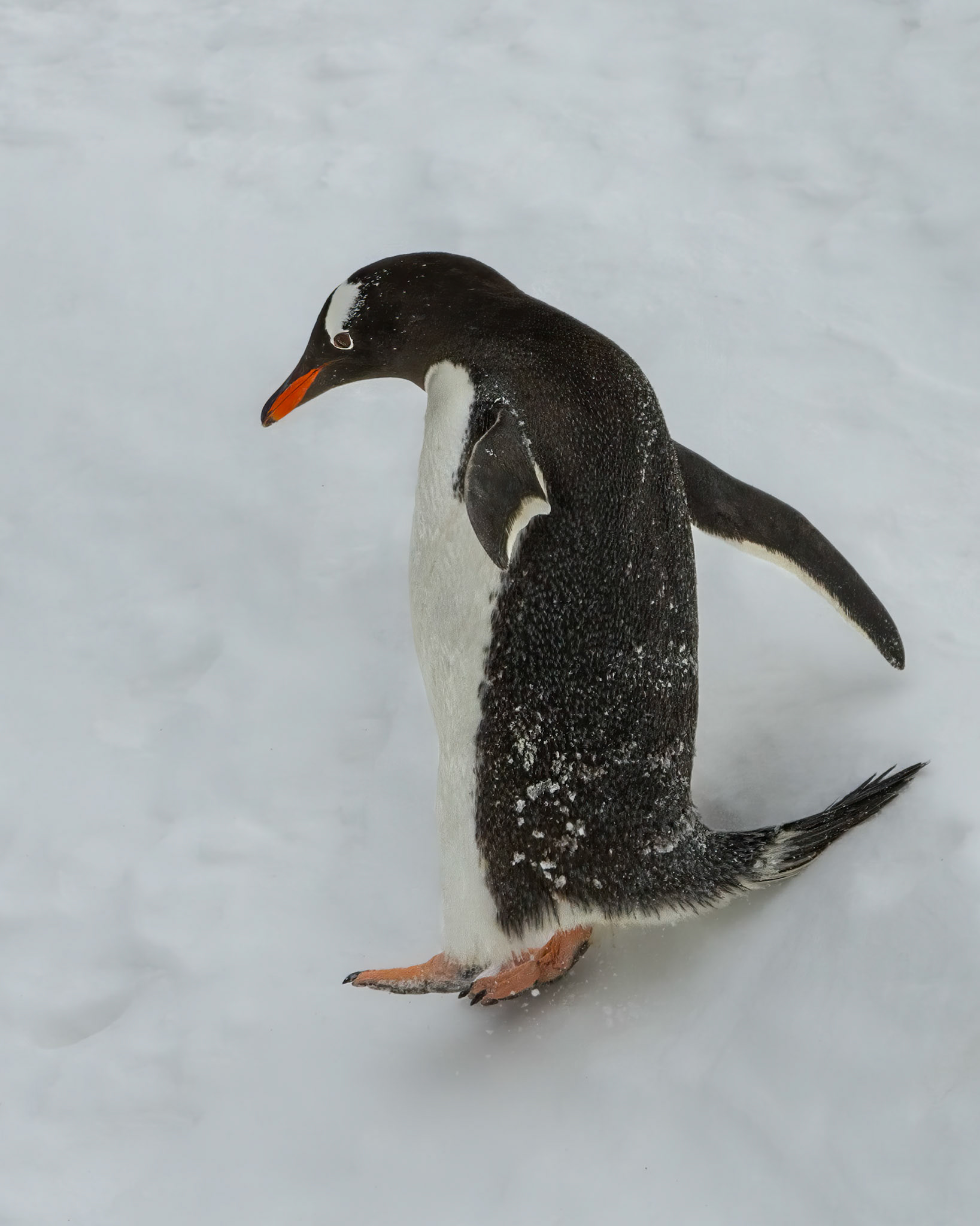
Antarctic Peninsula – Brown Bluff and Yankee Harbour
Continuing south to the Antarctic Peninsula, I encountered Southern Gentoo Penguins again, this time at Brown Bluff and Yankee Harbour.
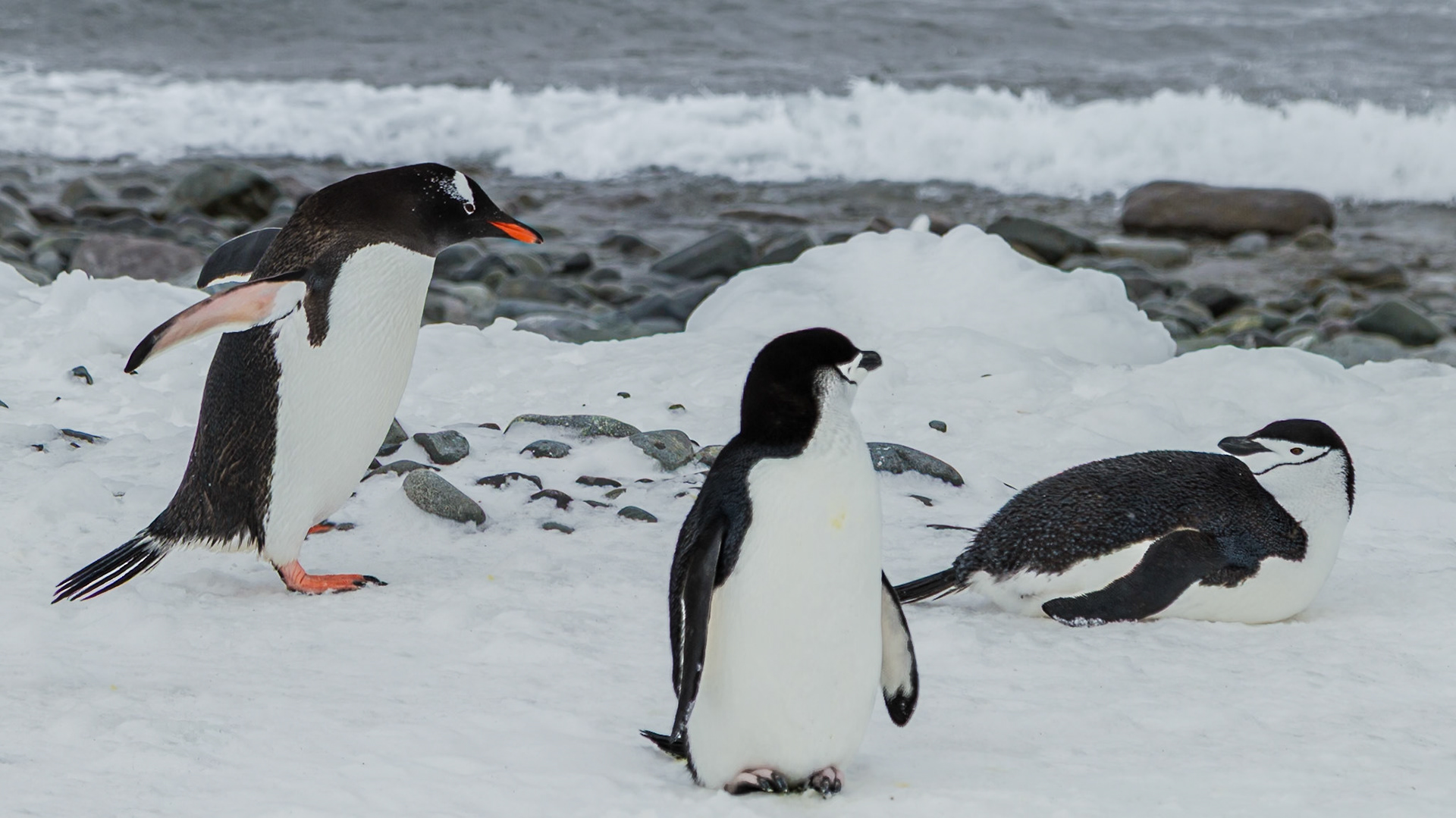
The surroundings were dramatically different from those I'd experienced further north. Snow, ice and exposed rock dominated the landscape, with gentoo penguins making their way across the frozen ground and along the shoreline.
Chinstrap and Adélie penguins were also among the species I encountered during my Antarctic travels, but it's the gentoos that have drawn me back to these photographs sixteen years later. And what a fascinating reason to rediscover and celebrate them!
A little photographic footnote
Back in 2010, when these photos were taken, I was photographing with a Canon EOS 7D DSLR, swapping between my EF 24–70mm f/4 and EF 200mm f/2.8L lenses.
Sixteen years later, I've moved on to a mirrorless Canon EOS R5 and a magnificent RF telephoto zoom lens, but that trusty 200mm prime still gets its turn on my camera from time to time! These days however, it needs an EF–RF adaptor, but it's such a lovely lens that I simply can't bring myself to part with it.
Curious about the science behind the gentoo penguin species discovery?
You can read more through the University of Tasmania research announcement and ABC News coverage.
If you’re anything like me, you might find yourself following your curiosity down a rather fascinating penguin burrow… there’s plenty more to discover with a little searching!
Many years may have passed since my encounters, yet these delightful waddlers still have stories to tell.